


Buying a cartoning machine is a major investment that impacts your production line for years. Most buyers focus only on speed and price, but overlook key operational questions that determine its real value.
Based on real experience supporting manufacturers in hardware, pet products, food, and consumer goods, here are 6 essential questions to ask suppliers before signing a contract.
Question 1: How Long Does Changeover Take Between Different Carton Sizes?
If you produce multiple SKUs, changeover time directly cuts production hours. A machine taking 60 minutes to switch sizes wastes significant output over time.
Look for machines that handle size changes in ~10 minutes (within the same carton type) and don’t require tools—hand-adjustable parts (hand wheels, quick-release levers) make this easy.
Note: Most machines support multiple sizes of the same carton type (e.g., lock-bottom), but not different types (e.g., lock-bottom vs. tuck-end). Confirm the machine supports all carton types you use or plan to use.
Question 2: What Happens When The Machine Jams — And How Fast Can Production Resume?
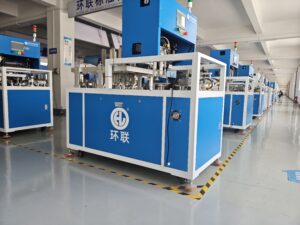
Jams are inevitable (caused by foreign objects, misaligned settings, or humid carton material). The key is how quickly operators can fix them.
Trained operators should clear common jams in 10 minutes. For persistent jams, worn parts (belts, suction cups) may need replacement—this is routine maintenance, not an emergency.
Ask suppliers: Does the machine have automatic jam detection? Are key stations easy to access? Can they provide remote support within 4 hours?
Question 3: What Does The Operator Interface Look Like — And How Long Is Training?
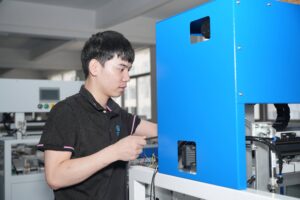
A machine that only engineers can operate is a liability. Look for touchscreen HMIs with clear status indicators, plain-language error codes, and language support for your team.
Basic training should take ~2 hours, and operators should work independently within 2–3 days. If training takes weeks, it’s a red flag for poor usability.
Question 4: How Are Spare Parts Sourced — And What’s The Real Cost Of Ownership?
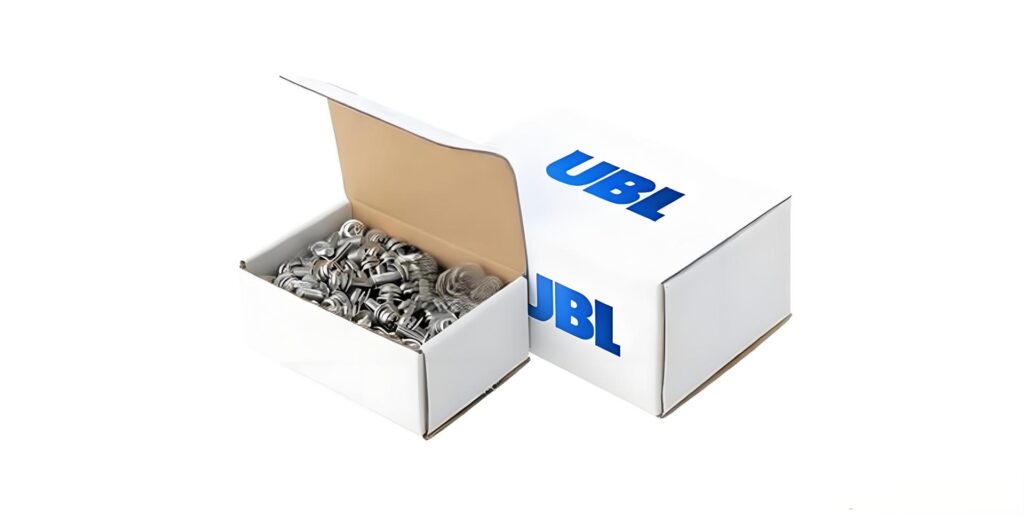
The purchase price is just part of the cost—spare parts and service often exceed it over 5–10 years. Factory-direct parts are best (no distributor markups, faster delivery).
Budget for regular replacement of wear parts: suction cups (3–6 months), conveyor belts (6–12 months), cutting blades (6–12 months), and guide rails (inspect quarterly).
Buy a discounted spare parts kit with the machine to save 15–30% and avoid production delays.
Question 5: What’s The Actual Delivery Timeline?
Standard machines (matching your carton/product specs) can ship in days. Custom configurations (for unique space, products, or integration needs) take ~3 months (site assessment → proposal → manufacturing → delivery).
Semi-automatic machines are a practical alternative if full automation is too costly or space-consuming—they handle carton forming/sealing, while operators load products.
Question 6: Can I Test My Actual Products On The Machine Before Committing?
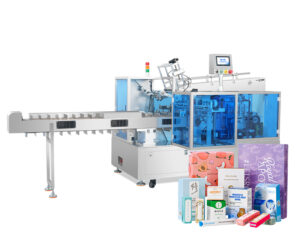
This is the most important question. Spec sheets don’t prove the machine works for your cartons and products—testing does (e.g., carton feeding, product loading, changeover practicality).
Confident suppliers offer sample testing (you send products, they provide video results), remote demos, customer references, or on-site testing. If they refuse, it’s a red flag.
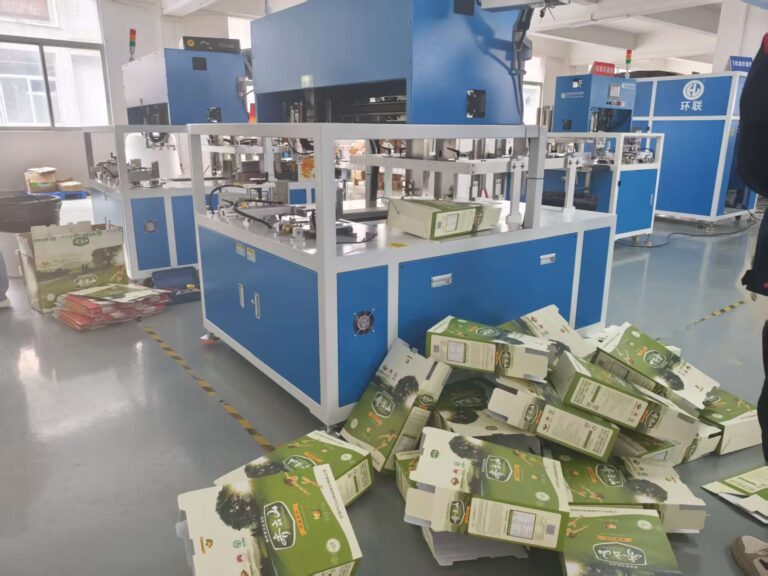
Summary: Pre-Purchase Checklist
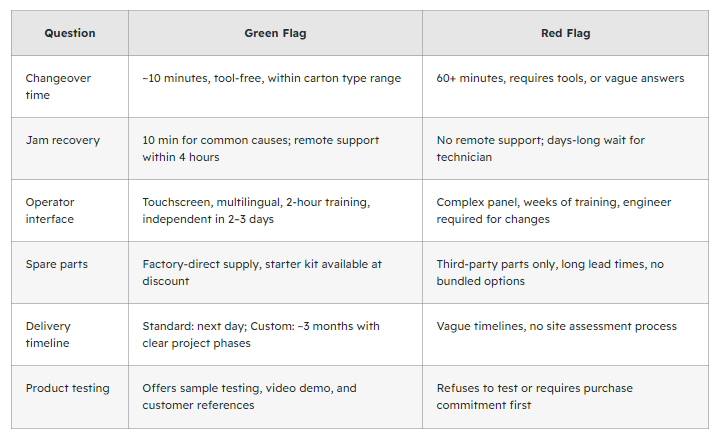
These questions help you compare suppliers objectively. At UBL, we focus on fast changeovers, quick remote support, simple training, factory-direct parts, and pre-purchase testing.
Contact UBL Packaging to discuss your needs or arrange a product test.
Post time: May-19-2026