

Picking the appropriate cartoning machine is a crucial strategic decision that has a direct bearing on packaging efficiency, product safeguarding, and overall operational expenses. Whether you’re looking to invest in a high-speed cartoning system, an automatic carton filler, or equipment for multi-pack packaging, having a clear understanding of how horizontal and vertical cartoning machines differ will help you prevent production bottlenecks and maximize your return on investment (ROI). This guide delves into key applications, benefits, and factors to consider, assisting manufacturers in selecting the perfect cartoning machine to meet their specific production requirements.
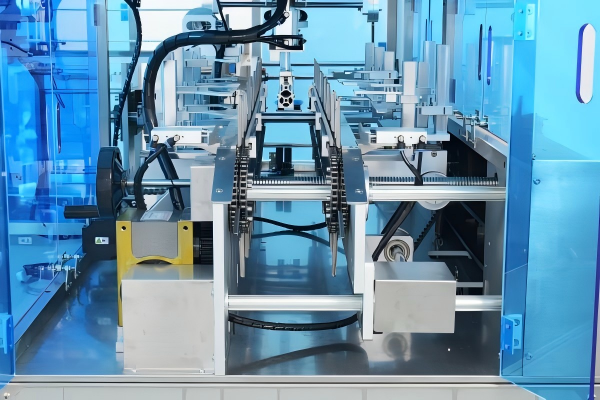
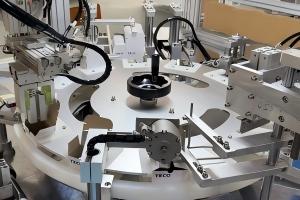
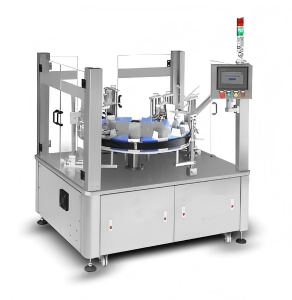
Vertical cartoner interior detail – rotating platform, carton holders, and automated control components for stable product packaging
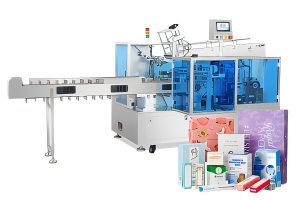
A horizontal cartoning machine feeds products into cartons from the side, maintaining the items in a horizontal orientation throughout the entire process. This design enables precise product handling, consistent fold precision, and uninterrupted high-speed operation.
Best Applications
1.Blister packs and sachets
2.Food products, such as biscuits and confectionery
3.Cosmetic tubes and personal care products
4.Flat, flexible, or delicate products
5.Multi-pack or stacked items
Key Advantages
1.Gentle handling suitable for fragile products (fragile product cartoning)
2.High-speed, non-stop operation
3.Smooth integration with leaflet insertion, coding, and inspection systems
4.Compatibility with complex carton designs and premium packaging
Horizontal cartoning machines are extensively utilized in the pharmaceutical, food, cosmetics, and consumer goods industries—sectors where consistent speed and packaging quality are essential.
What Is A Vertical Cartoning Machine?
A vertical cartoning machine loads products from the top, leveraging gravity to guide items into the cartons. This setup is especially well-suited for stable or free-flowing products.
Best Applications
1.Bottles, jars, and cans
2.Powders, granules, and bulk food items
3.Hardware items or solid components
4.Irregularly shaped or non-oriented products
Key Advantages
1.Efficient handling of rigid or bulk items
2.Simple product feeding and quick size changeovers
3.Compact design, perfect for production areas with limited space
4.Cost-effective option for mid-speed production lines
Vertical cartoning machines are commonly found in food processing, household goods, and industrial packaging settings.
Horizontal Vs. Vertical Cartoning Machines: Core Differences
In terms of product loading method, horizontal cartoning machines adopt horizontal loading, while vertical cartoning machines achieve top loading with the assistance of gravity.
Regarding speed capability, horizontal cartoning machines support continuous high-speed operation, whereas vertical cartoning machines only reach moderate to high running speed.
As for applicable product types, horizontal cartoning machines are designed for flat, flexible and fragile goods. By contrast, vertical cartoning machines are fit for rigid, bulky and free-flowing products.
On the aspect of automation integration performance, horizontal cartoning machines deliver excellent compatibility, and vertical cartoning machines have good integration performance.
In terms of changeover complexity, adjusting specifications of horizontal cartoning machines is at a moderate level, and the parameter adjustment of vertical cartoning machines is relatively simple.
When it comes to equipment footprint, horizontal cartoning machines occupy a larger space, and vertical cartoning machines feature a compact structure with less space occupation.
How To Choose The Right Cartoning Machine
1. Product Stability And Shape
Fragile, flexible, or irregularly shaped products work most effectively with horizontal cartoning machines.
Stable or rigid products are well-suited for vertical cartoning machines.
2. Production Speed Requirements
High-volume production lines with strict output goals typically require high-speed cartoning machines.
3. Carton Design And Features
Complex cartons, inserts, and tamper-evident designs are more easily implemented with horizontal cartoning machines.
4. Future Expansion Plans
Horizontal cartoning machines provide greater flexibility for increasing speed or adding more automation in the future.
5. Material Handling And Integration
Some machines support automatic carton loading, multi-pack cartoning, or fragile product cartoning, making them ideal for e-commerce, food, and cosmetic production lines.
Ready to select the perfect cartoner for your production needs? Our team of packaging experts can evaluate your product specifications, production objectives, and facility limitations to recommend the ideal solution—whether it’s horizontal, vertical, or a customized configuration. Get in touch with us today to book a free consultation, request a machine demonstration, or obtain a tailored quote for your cartoning equipment investment.
Post time: Apr-22-2026